7 Signs of Poor Gut Health in Dogs (How to Fix It Naturally)
Table of Contents
When your dog’s gut isn’t balanced, you’ll usually notice it long before any test confirms it. Maybe your dog’s tummy seems more sensitive than usual, their stool keeps changing, or their skin suddenly becomes itchy for no clear reason. These small signals are often your dog’s way of telling you that their gut where most of their immune system lives needs extra care.
Many pet owners don’t realize that the signs of poor gut health in dogs are often subtle at first, but easy to improve with simple natural steps.
The good news? With a holistic approach, you can help restore your dog’s gut health gently and naturally. In this guide, you’ll learn the 7 most common signs of gut imbalance and the simple holistic remedies you can start today to help your dog feel better from the inside out.
Understanding the Main Signs of Poor Gut Health in Dogs
1- Frequent Gas, Bloating, or Stomach Rumbles
If your dog passes gas every day, or you notice their stomach looks swollen, this is usually the first red flag.
I’ve seen this countless times, especially in dogs that:
- eat too fast
- switch food often
- have hidden allergies
- rely on kibble alone
What’s happening?
Their gut bacteria (microbiome) is imbalanced, so food ferments instead of digesting.
What this means:
- Food isn’t digesting properly
- The microbiome may be overwhelmed
- Certain ingredients (like chicken or wheat) may be causing irritation
Natural help:
- Add pumpkin puree (1 tsp–1 tbsp depending on size)
- Try a limited-ingredient diet for 2 weeks
- Avoid kibble with fillers (corn, soy, by-products)
2. Irregular Poop (Soft, Mucus, Diarrhea, or Constipation)
Your dog’s poop is one of the clearest windows into their gut health.
If you’re seeing:
- Soft or mushy stool
- Mucus in the poop
- Frequent diarrhea
- Hard, dry stool
Then your dog’s digestive system is struggling.
Natural help:
- Add probiotics daily
- A teaspoon of chia seeds soaked in water can help regulate stool
- Ensure good hydration—gut issues worsen when your dog is dehydrated
3. Itchy Skin, Hot Spots, or Constant Paw Licking
Surprising but true: Most skin problems start in the gut.
If your dog is licking paws nonstop, developing hot spots, or scratching constantly, it can signal:
- Leaky gut
- Food sensitivities
- Chronic inflammation
Natural help:
- Add omega-3 fish oil (anti-inflammatory)
- Switch to a simple protein source (turkey, lamb, salmon)
- Use quercetin (“natural antihistamine for dogs”)
4. Low Energy, Lethargy, or Mood Changes
When the microbiome is out of balance, it can influence hormones and energy levels, which is why low energy is often connected to the signs of poor gut health in dogs.
A healthy gut produces neurotransmitters that influence mood and energy.
If your dog suddenly:
- Sleeps more
- Seems “down”
- Lacks their usual excitement
…it may be a sign of gut imbalance or chronic inflammation.
Natural help:
- Add bone broth for gut repair
- Include gentle daily exercise
- Avoid too many processed treats
5. Bad Breath That Isn’t Oral-Related
When the gut microbiome becomes unbalanced, toxins can travel upward, creating a sour or unusual smell coming from your dog’s mouth even when their teeth are clean.
Natural help:
- Add coconut oil for antibacterial support
- Give probiotic chews or powder
- Avoid sugary treats that feed harmful bacteria
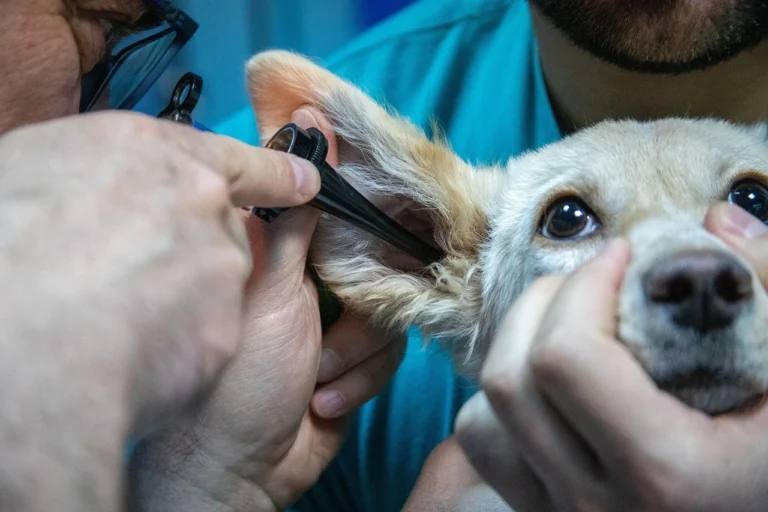
6. Recurring Ear Infections or Yeast Problems
Even ear infections can start in the gut.
If your dog keeps getting:
- Ear wax buildup
- Yeasty smell
- Brown discharge
- Itchy ears
… it often means yeast is overgrowing due to poor gut health.
Natural help:
- Reduce high-starch foods (sweet potato, rice, kibble)
- Add apple cider vinegar (ACV) diluted in water (externally only)
- Use digestive enzymes to break down yeast-triggering foods
7. Sensitivity After Eating (Vomiting or Belly Discomfort)
If your dog throws up bile, vomits occasionally, or seems uncomfortable after meals, it might mean:
- Too much stomach acid
- Food triggers
- A strained gut microbiome
Natural help:
- Feed smaller, more frequent meals
- Try switching to a novel protein like duck or rabbit
- Add slippery elm to soothe the digestive tract
How to Fix Poor Gut Health Naturally (Step-by-Step Plan)
Here’s a gentle holistic routine you can start today.
1. Start With a High-Quality Probiotic
One of the fastest ways to restore balance.
Look for:
At least 3–5 strains
Minimum 3–5 billion CFU
Formulated for dogs
Daily probiotics can reduce gas, improve stool, calm inflammation, and strengthen immunity.
2. Add Bone Broth (Heals the gut lining)
Bone broth helps:
– Repair leaky gut
– Support joint health
– Boost hydration
Give 2– 4 tablespoons daily depending on your dog’s size.
3. Rotate Proteins to Identify Sensitivities
Try a 14-day rotation diet:
- Week 1: Turkey
- Week 2: Salmon
- Week 3: Beef
- Week 4: Lamb
This helps you identify which foods your dog tolerates best.
4. Include Anti-Inflammatory Foods
You can add small amounts of:
- Blueberries
- Spinach
- Turmeric (with black pepper)
- Ginger
- Sardines
- Pumpkin
These help reduce inflammation naturally and support gut function.
5. Reduce Kibble Additives
Avoid foods with:
❌ Corn
❌ Wheat
❌ Soy
❌ Artificial colors
❌ Meat by-products
These ingredients irritate the gut and weaken the microbiome.
When Should You See a Vet?
If your dog has:
- Chronic diarrhea lasting more than 48 hours
- Bloody stool
- Weight loss
- Constant vomiting
Then professional evaluation is important.
Natural care + veterinary care together give the best results.
Products I Personally Use (Real Results + Honest Recommendations)
(Non-affiliate, honest recommendations based on quality + safety)
1. Best Probiotics for Dogs
Probiotics are the #1 supplement for fixing poor gut health.
Here are safe, effective options.
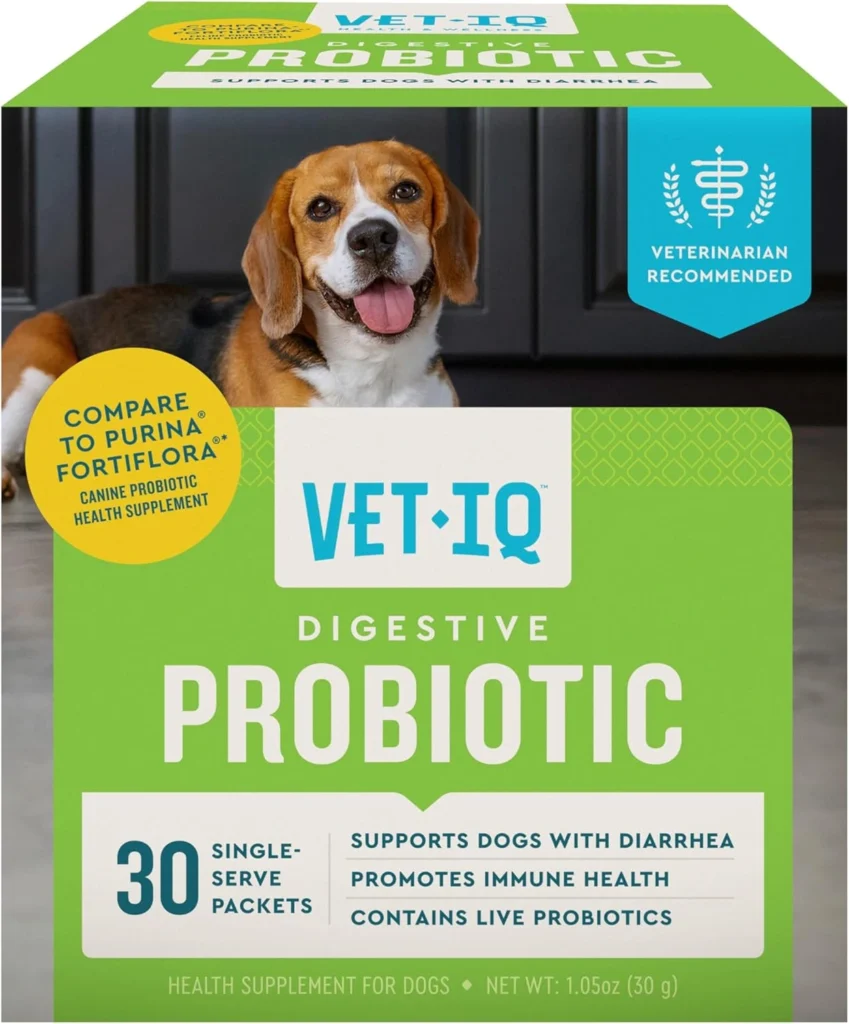
Purina FortiFlora Probiotic Dog Supplement
- Very well-known probiotic for dogs
- Helps with diarrhea and digestion
- Very gentle on the stomach
- Good for itchy dogs
Amazon: Purina FortiFlora Probiotic Dog Supplement
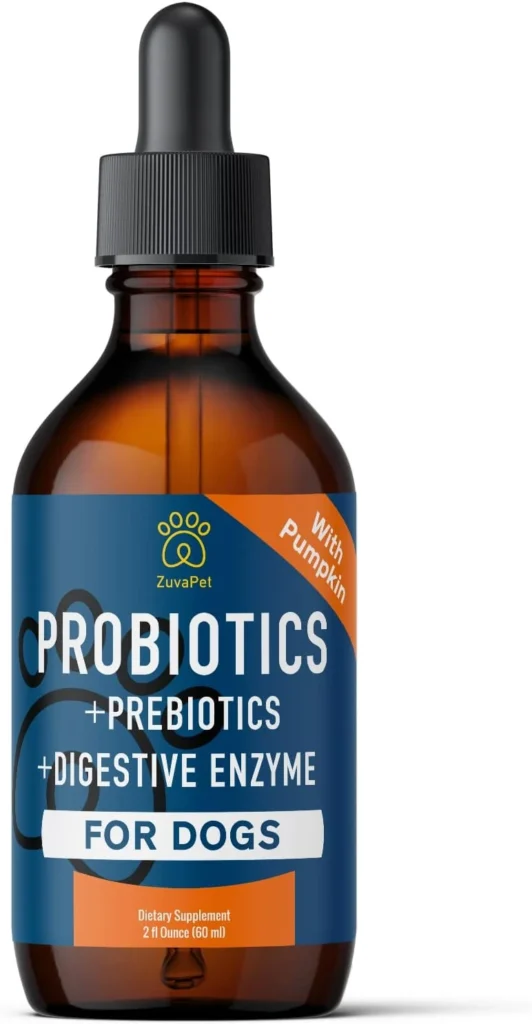
ZUVA PET Probiotics for Dogs
- solid reviews
- Natural Digestive Enzymes for Upset Stomach Relief
- Great for chronic diarrhea / allergies
Amazon: ZUVA PET – Probiotics for dogs
2. Best Digestive Enzymes for Dogs
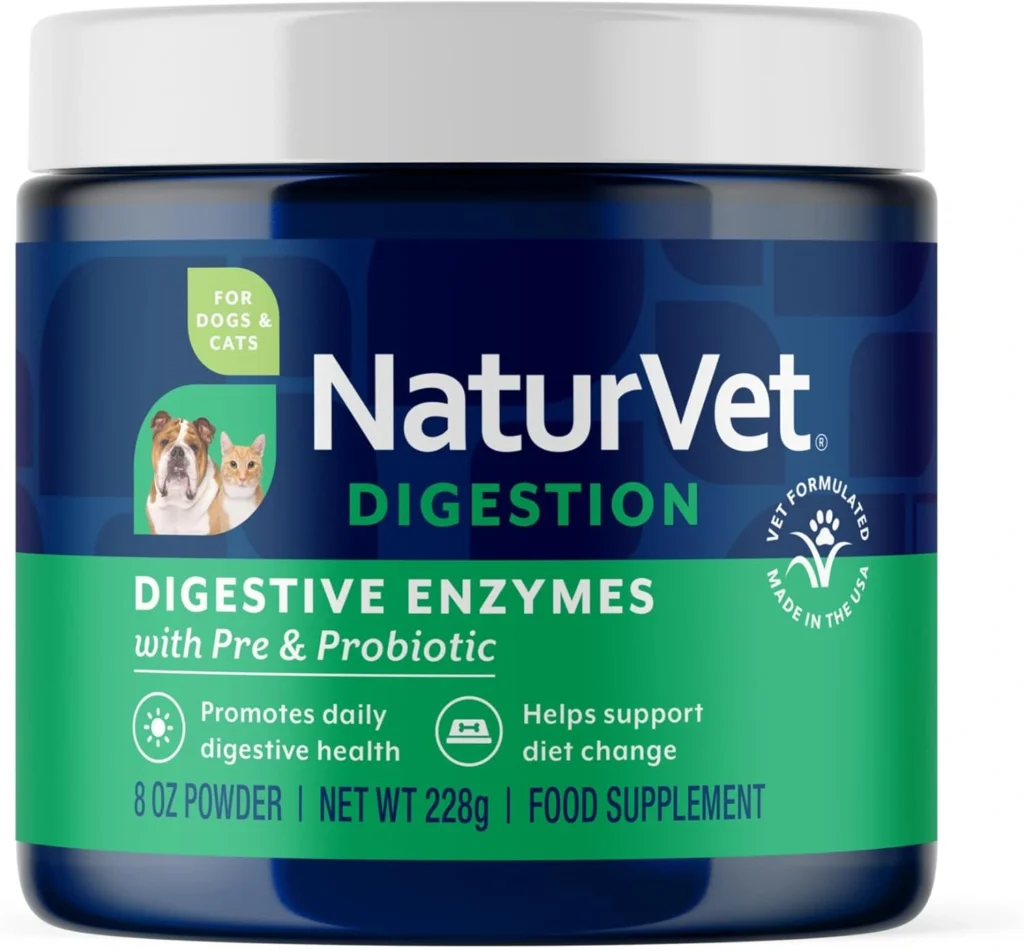
Digestive enzymes help dogs with bloating, gas, slow digestion, or licking lips after eating.
NaturVet Enzymes+ Prebiotic Powder Dog Supplement
- Helps digestion + nutrient absorption
- Easy to add to food
Amazon: NaturVet Digestive Enzymes + Prebiotics
3. Best Omega-3 Oils for Gut Inflammation
Omega-3 reduces gut and skin inflammation.
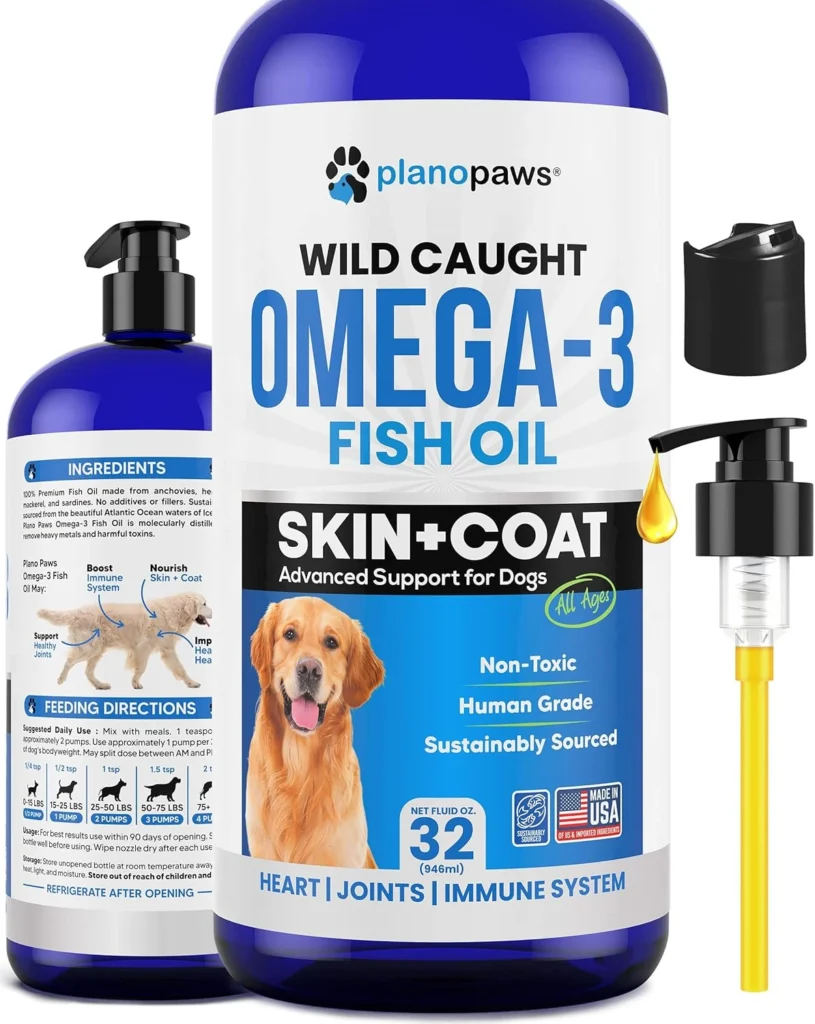
PLANO PAWS -Omega 3 Fish Oil for Dogs
- Cold-pressed salmon oil
- Good source of EPA/DHA
Amazon: PLANO PAWS – Omega 3
4. Gut-Soothing Herbs & Natural Supplements
These help soothe inflammation and repair the gut lining.
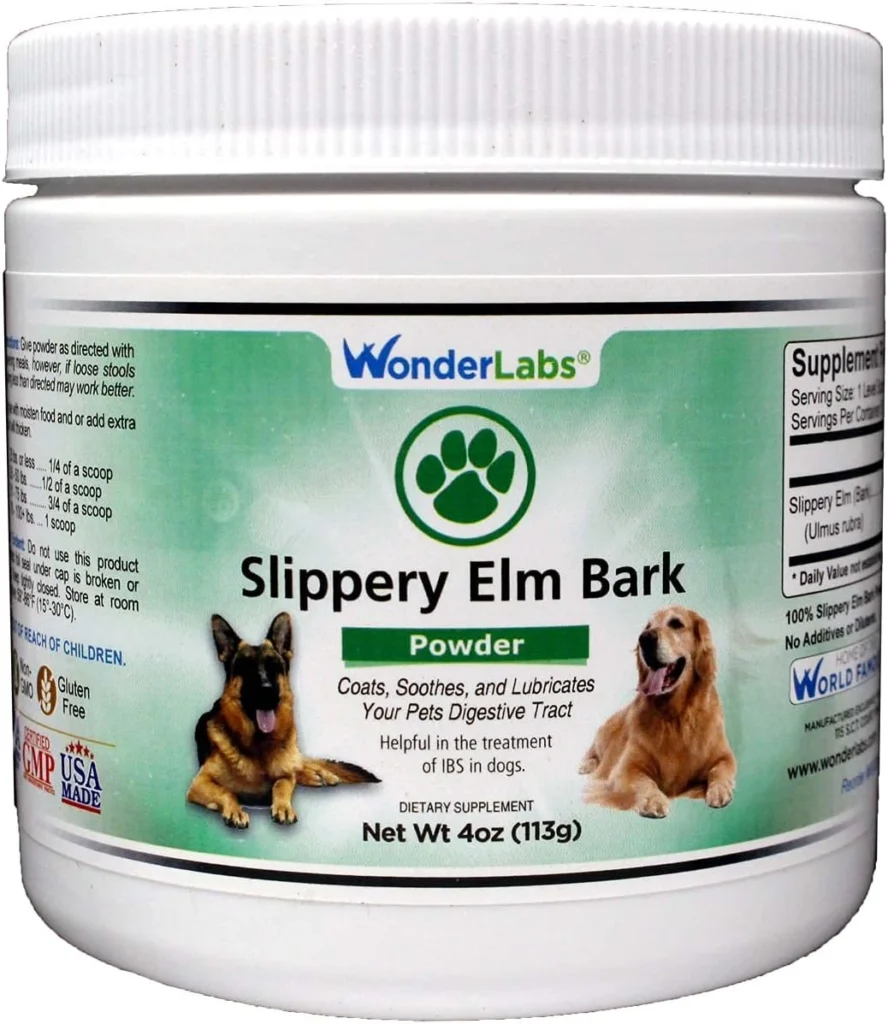
Slippery Elm Powder
- The #1 natural remedy for irritated stomachs
Amazon: Slippery Elm Bark Powder for Dogs
Chamomile Tea (Safe Dose)
- 1–2 tbsp added to food
- Calm digestion + reduces gas
Available everywhere.
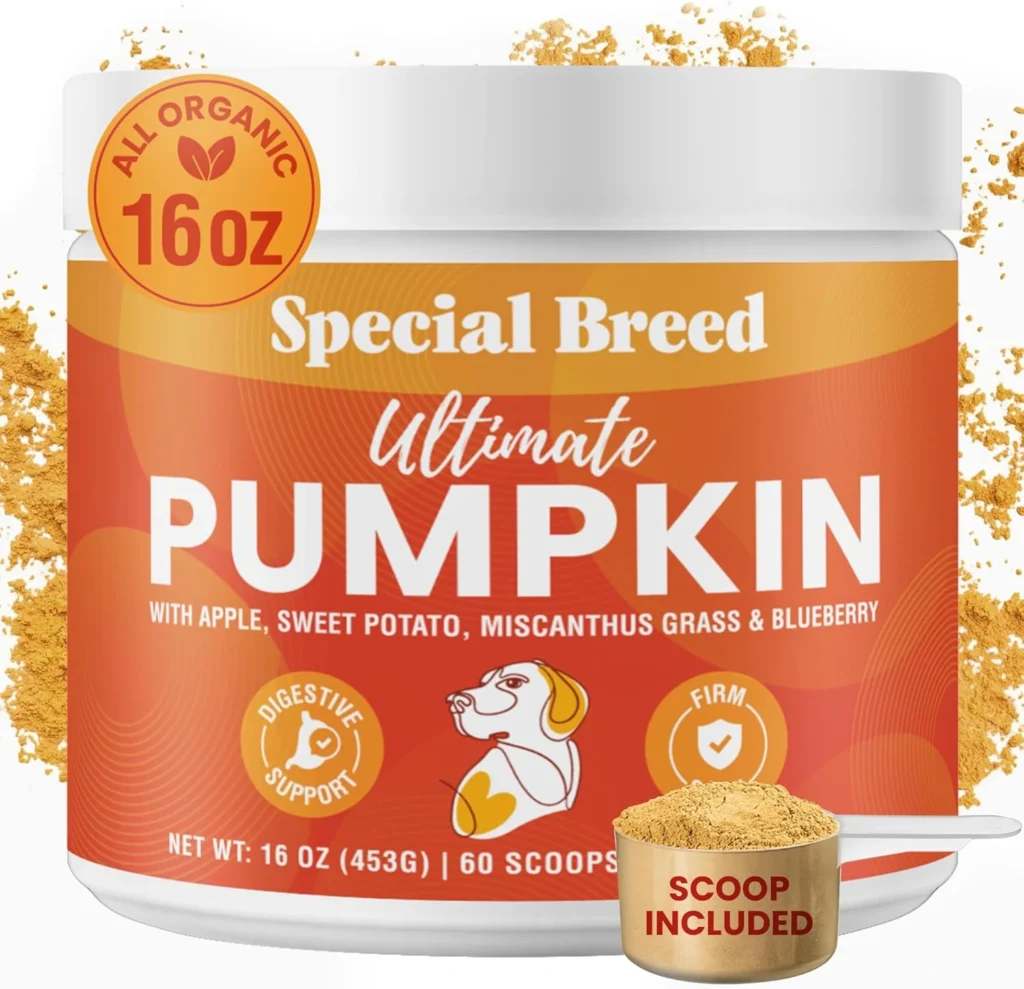
Canned Pure Pumpkin
- Great for diarrhea or soft stool
- helps the digestion
Amazon : Canned Pure Pumpkin for Dog Digestion
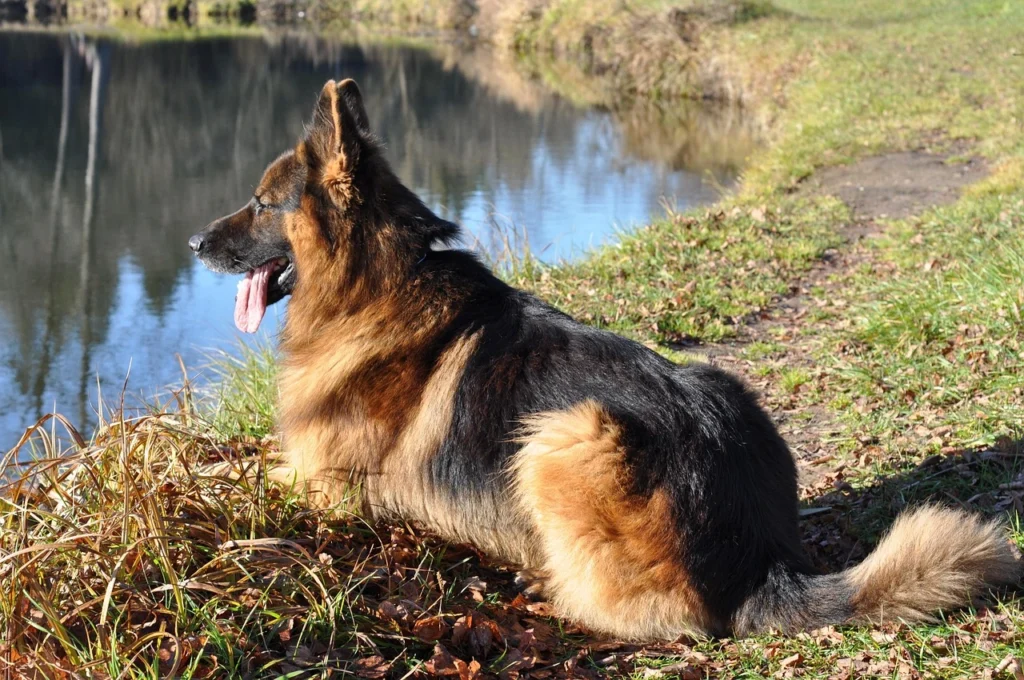
I’ve personally used every one of these categories while helping rehabilitate rescue dogs with chronic gut issues. One of the worst cases I worked with was a German Shepherd named JOKER with severe diarrhea, itching, and constant bloating.
Vets assumed it was allergies… but once we added digestive enzymes + probiotics + a 7-day gut reset , he transformed.
Within 10 days:
- his stool became firm
- the bloating disappeared
- he slept through the night
- his coat became shiny again
That’s why I always recommend these exact supplements because I’ve seen the difference they make in real dogs, not just in theory.
The Natural 7-Day Gut Reset (My Personal Protocol)
Here is a bonus for you guys , if you continue all along .
This is the gentle gut reset I use on my own dog and on every dog I help.
Day 1–2: Reduce Inflammation
- Remove all kibble
- Feed warm meals: beef + rice + zucchini
- Add 1 tsp turmeric paste
- Add chamomile tea (1–2 tbsp only)
Day 3–4: Rebuild Digestion
- Add digestive enzymes
- Add 1 tsp kefir or ½ tsp goat yogurt
- Keep meals simple and soft
Day 5–7: Restore Microbiome
- Add probiotics
- Add slippery elm (½ tsp)
- Increase veggies slowly
By day 7, most dogs show:
- better stool
- less itching
- calmer mood
- normal breath
- less gas
I’ve seen this even in severe cases.
Final Thoughts
As you start supporting digestion and immunity, you’ll notice many of the signs of poor gut health in dogs slowly disappear. By doing so , you’re helping their entire body skin, immunity, energy, mood, digestion, and inflammation.
Once you start applying these steps, you’ll likely notice your dog becoming calmer, happier, and more comfortable in their body.
You don’t need to change everything at once just start with probiotics and one or two food adjustments…
Little changes make a big difference.
FAQ
What are the first signs of poor gut health in dogs?
Early signs include gas, soft stool, itchy skin, paw licking, or low energy. These symptoms often show up before major digestive issues appear.
Can poor gut health make my dog itchy?
Yes. Up to 70% of a dog’s immune cells live in the gut. When it’s inflamed, skin reactions, itching, and hot spots become more common.
How long does it take to improve gut health naturally?
Most dogs show improvement within 2–4 weeks with probiotics, bone broth, and clean nutrition. Chronic issues may take longer.
Can food allergies cause gut problems in dogs?
Absolutely. Proteins like chicken, beef, or wheat can irritate the gut and trigger inflammation, diarrhea, gas, or skin issues.
Should I see a vet for gut health problems?
Yes, especially if your dog has chronic diarrhea, rapid weight loss, repeated vomiting, or blood in stool.
Written by SERENA SMITH , VET, pet health writer and holistic pet care enthusiast, with vet-reviewed recommendations.